Palm Tree Trimming in Reno, NV
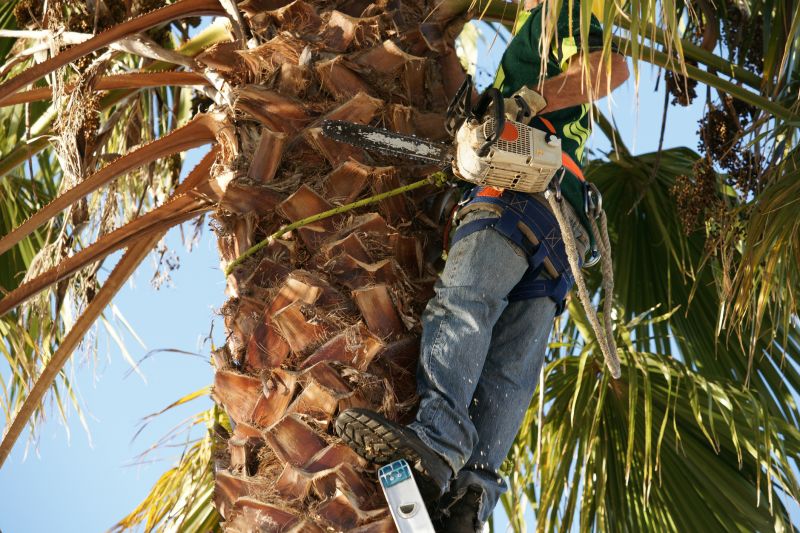
Palm tree trimming services involve the careful removal of dead, diseased, or overgrown fronds and branches to maintain the health, appearance, and safety of palm trees on residential properties. This process can include shaping the tree for aesthetic purposes, removing potentially hazardous limbs, and promoting healthy growth. Projects typically range from routine maintenance to more extensive pruning for larger or more mature palms, ensuring the trees remain attractive and safe within the landscape.
Homeowners considering palm tree trimming should understand the importance of proper technique to prevent damage to the tree and surrounding property. It’s helpful to know the specific type of palm, as different species may require different pruning methods. Additionally, property owners often want to clarify the scope of work, including whether dead fronds, seed pods, or lower hanging branches will be removed, and to ensure the work complies with local guidelines and safety standards. Contacting for more information can help determine the most suitable approach for maintaining healthy, attractive palm trees.
Many property owners in Reno, NV look into Palm Tree Trimming for repairs, replacements, upgrades, and appearance-related improvements.
Tree Trimming For Safety
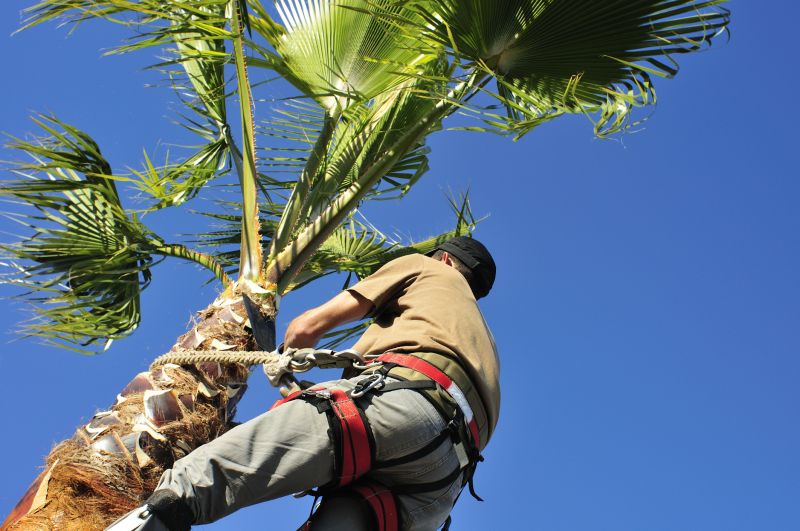
Proper trimming reduces the risk of falling branches and property damage.
Enhancing Tree Health
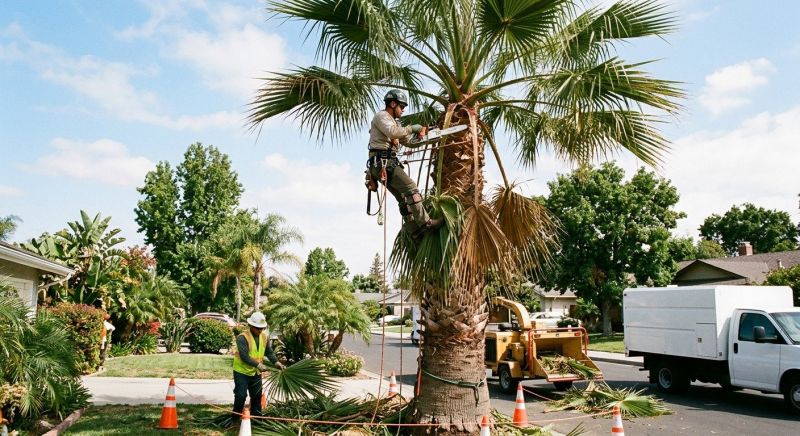
Regular pruning promotes healthy growth and maintains the tree's appearance.
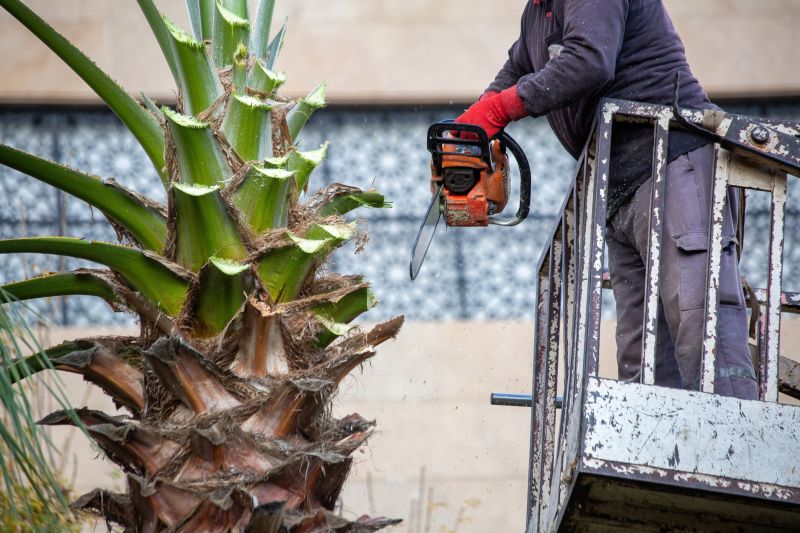
Property Aesthetics Improvement
Well-maintained palms boost curb appeal and create a polished landscape in reno.
Palm Tree Trimming in Reno, NV

Palm tree trimming services involve the careful removal of dead, diseased, or overgrown fronds and branches to maintain the health, appearance, and safety of palm trees on residential properties. This process can include shaping the tree for aesthetic purposes, removing potentially hazardous limbs, and promoting healthy growth. Projects typically range from routine maintenance to more extensive pruning for larger or more mature palms, ensuring the trees remain attractive and safe within the landscape.
Homeowners considering palm tree trimming should understand the importance of proper technique to prevent damage to the tree and surrounding property. It’s helpful to know the specific type of palm, as different species may require different pruning methods. Additionally, property owners often want to clarify the scope of work, including whether dead fronds, seed pods, or lower hanging branches will be removed, and to ensure the work complies with local guidelines and safety standards. Contacting for more information can help determine the most suitable approach for maintaining healthy, attractive palm trees.
Many property owners in Reno, NV look into Palm Tree Trimming for repairs, replacements, upgrades, and appearance-related improvements.
Common Palm Tree Trimming Jobs
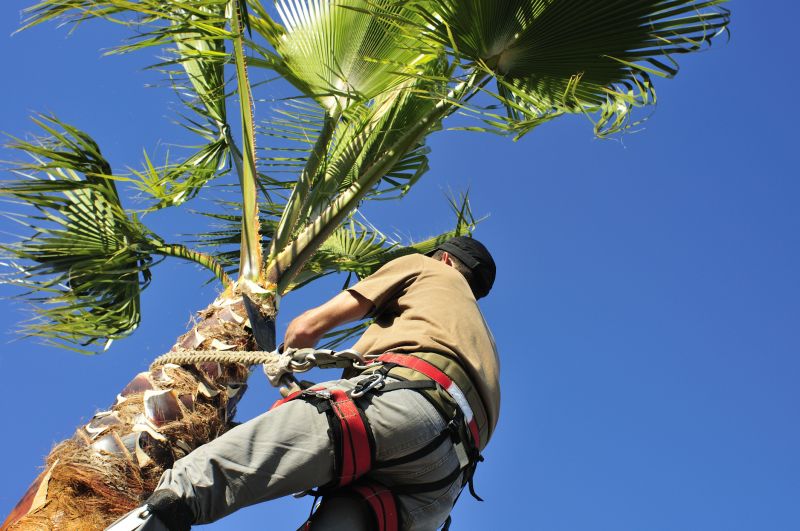
Palm tree trimming involves removing dead or overgrown fronds to maintain health and appearance.
Frond cleanup ensures fallen leaves and debris are cleared for a tidy yard.
Tree crown reduction helps manage the size and shape of mature palms.
Hazard removal involves safely taking down broken or unstable fronds.
Healthy growth pruning promotes new growth and overall palm vitality.
Species-specific trimming addresses the unique needs of different palm varieties.
Palm Tree Trimming Questions
Why is palm tree trimming important? Regular trimming helps maintain the health, appearance, and safety of palm trees by removing dead or damaged fronds.
When should palm trees be trimmed? Palm trees are typically trimmed when fronds turn brown or become hazardous, often every 1 to 2 years.
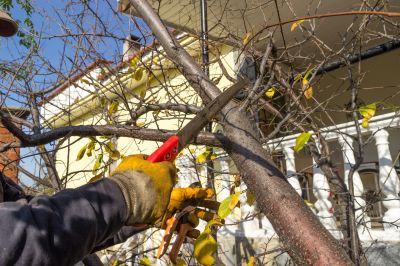
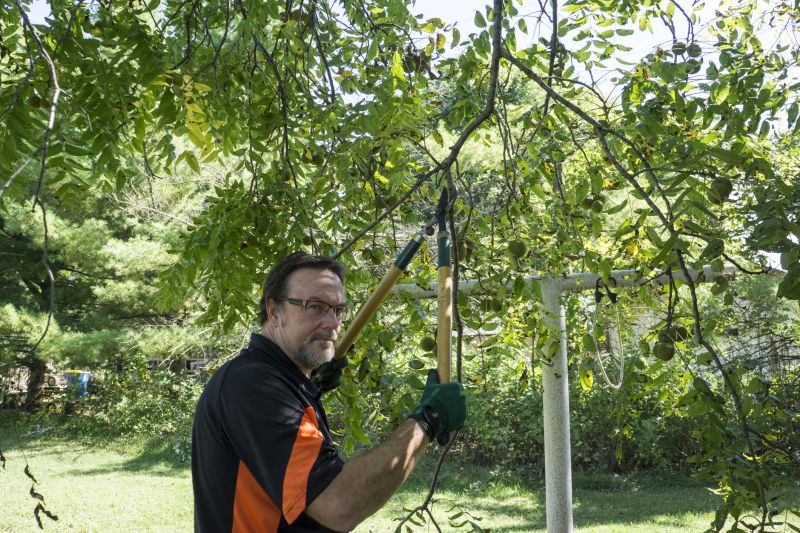
What tools are used for palm tree trimming? Specialized pruning tools such as pole saws, pruning shears, and cutters are used to safely trim palm trees.
Can palm tree trimming improve property value? Yes, well-maintained palms enhance curb appeal and can contribute positively to the overall look of a property.
Request Palm Tree Trimming in Reno, NV
Use the quote form on this page to share the basics of your project and request more information for the type of work you need.